Holding a property owner accountable for an injury hinges on one critical element: You must show the owner knew, or should have known, about the dangerous condition that caused your harm. Without this proof, a claim can fail before it even begins.
Experienced personal injury attorneys know how to handle the challenge of proving notice in a premises liability case.
Key Takeaways for Proving Notice in a Premises Liability Case
- Notice refers to a property owner's awareness of a dangerous condition on their premises.
- The law recognizes two main types of notice: actual notice, where the owner had direct knowledge, and constructive notice, where they reasonably should have known.
- The burden of proof falls on you, the injured party, to demonstrate that the owner had notice.
- Evidence like video footage, witness testimony, and maintenance records is fundamental to proving notice.
- A premises liability lawyer knows how to secure the evidence needed to establish owner negligence.
The Foundation of Proving Owner Negligence in New York
Property owners in New York have a legal responsibility to keep their premises in a reasonably safe condition. This applies to everything from a small shop in Greenwich Village to a massive commercial building near Rockefeller Center. When they fail in this duty, and someone gets hurt as a result, they may be held liable.
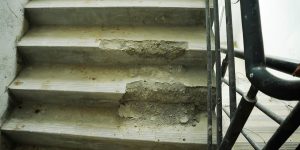
Proving property owner negligence is the core of any successful claim. Negligence isn’t automatic. The fact that an accident happened doesn’t, by itself, create liability for the owner.
You must demonstrate that the property owner breached their duty of care. The most important part of this is showing they had the opportunity to remedy the hazardous situation that led to your injury. This brings us back to the central pillar of your claim: notice.
Why an Injury Alone Doesn’t Create Liability
Many people believe that if they fall in a bodega in Queens, the owner automatically pays for their injuries. This is a common and costly misconception. A property owner isn’t an insurer of everyone's safety at all times.
For liability to attach, the owner must have acted without reasonable care. Imagine a jar of sauce falls and shatters in a grocery store aisle in the East Village. If a customer slips on it seconds later, the owner likely had no reasonable chance to clean it up.
However, if that same spill remains on the floor for an hour while employees walk past it, the situation changes entirely. The owner’s failure to clean it up in a reasonable timeframe is an act of negligence. Proving they had the opportunity to act is the focus of a notice in a premises liability case.
What’s the Difference Between Actual and Constructive Notice?
To successfully prove owner negligence, your attorney must establish that the property owner had either actual or constructive notice of the hazard. While they sound similar, they represent two very different ways of knowing about a danger. Understanding the difference helps clarify what your legal team needs to prove.
Your attorney's investigation will uncover evidence pointing to one or both types of notice. The strength of this evidence directly impacts the strength of your claim. Both forms of notice accomplish the same goal: showing the owner had a chance to fix the problem.
What Is Actual Notice?
Actual notice is direct and straightforward. It means the property owner or their employees literally knew the specific hazard existed before your accident happened. There's no ambiguity or inference required.
They gained this knowledge by seeing the hazard, being told about it by someone else, or creating the dangerous condition themselves. Proving actual notice often involves finding direct evidence of this prior knowledge.
An attorney looks for a "smoking gun" that confirms the owner knew about the problem and failed to take action.
An investigation to establish actual notice might reveal:
- Employee Admission: A statement from an employee who saw the hazard serves as actual notice.
- Prior Complaints: Records of other tenants or customers who reported the exact same problem, like a wobbly handrail in a Bronx apartment building, may open the door to liability.
- Internal Reports: Logbooks or internal memos that document the hazard show that the owner was aware of the hazard.
- Video Evidence: Surveillance footage showing a manager inspecting the area and seeing the danger, but walking away is another example of actual notice.
What Is Constructive Notice?
Constructive notice is a legal concept that holds that a property owner should have known of the hazard. This applies even if they didn’t have direct, actual knowledge. The law presumes that through the exercise of reasonable care, a diligent property owner would have discovered and fixed the problem.
Proving this type of notice in a premises liability case is often more complex. It relies on circumstantial evidence to show that the hazardous condition existed for a long enough period of time that the owner had a reasonable opportunity to find it.
An attorney uses evidence to create a timeline that demonstrates the hazard wasn’t a sudden occurrence. They often explore several questions to establish constructive notice. How long did the dangerous condition exist? Did the owner have a regular inspection or cleaning schedule?
Answering these helps prove the owner was negligent in their maintenance and oversight of the property, from a storefront in Staten Island to a public space like the High Line.
Examples of Notice in Common NYC Settings
The type of evidence needed often depends on the location. Different properties present different challenges for proving what the owner knew and when.
Common examples include:
- Retail Stores: A slip on a spilled drink in the food court at Queens Center Mall might involve constructive notice. Your lawyer would seek surveillance footage to determine how long the spill was on the floor and whether any employees passed it.
- Apartment Buildings: If you fall due to a broken step in a walk-up in Astoria, your lawyer may prove actual notice by finding previous written complaints sent to the landlord by other tenants.
- Public Sidewalks: A trip over a broken piece of sidewalk outside a business on Canal Street presents unique issues. Your attorney would investigate city records and witness statements to show the defect existed for a prolonged period, establishing constructive notice.
- Office Buildings: An injury from a malfunctioning elevator in a Financial District skyscraper might involve actual notice if maintenance logs show a history of reported problems with that specific elevator.
Building a Case for Notice With Evidence
Your lawyer’s main job is to uncover the facts. To prove notice in a premises liability case, they must build a powerful argument supported by solid evidence. The initial moments after a slip and fall accident injurycan be crucial for gathering information that later becomes the foundation of your claim.
While your priority is always your health, certain types of evidence help your attorney immensely. They use their resources to find proof that an owner either ignored a known danger or failed in their duty to look for potential ones.
Every piece of evidence helps paint a clearer picture of the owner’s negligence.
Securing Key Evidence
Your legal team focuses on obtaining evidence that directly addresses how long the hazard was present and what the property owner knew about it.
A successful investigation often depends on finding proof through these sources:
- Surveillance Video: Security cameras in places like grocery stores or subway stations can provide a definitive timeline of when a hazard appeared and who was in the area.
- Incident Reports: When you report your fall to a manager, they often create an internal document that becomes crucial evidence of actual notice from that point forward.
- Witness Information: Statements from people who witnessed your fall or the hazard before you encountered it can help establish how long the condition existed.
- Maintenance and Cleaning Logs: These internal business records can show when an area was last inspected, proving or disproving that the owner followed their own safety procedures.
What Are Common Defenses in a Premises Liability Claim?
The property owner and their insurance company will not simply accept liability and have their own legal teams or insurers who will look for ways to challenge your claim. An experienced lawyer anticipates these arguments and prepares a strong response based on the evidence.
A property owner’s defense often focuses on the element of notice. They may argue they didn’t have enough time to respond or that the hazard was not their fault. Preparing for these arguments from the start puts you in a much stronger position.
Here are some common tactics a property owner’s defense may use:
- Arguing Lack of Notice: A primary argument is often that the owner simply didn’t know about the hazard and had no reasonable opportunity to discover it.
- Using the Open and Obvious Rule: They might claim the danger was so apparent that you should have easily seen and avoided it yourself.
- Blaming You: An owner may argue that your own carelessness contributed to the accident, attempting to reduce their share of the fault.
- Disputing the Hazard: Some owners may deny that the condition was dangerous at all, claiming it was a trivial defect.
How Does a Lawyer Prove Notice in a Premises Liability Case?

Successfully handling a notice in a premises liability case requires legal knowledge and investigative resources. A New York slip and fall lawyer provides both. They take on the burden of building your claim so you can focus on your recovery.
Your attorney manages every aspect of your case, from the initial investigation to communications with insurance companies. Lawyers understand the tactics defendants use and how to counter them effectively. They work to build a compelling case that clearly shows the property owner's negligence.
Here is how a dedicated attorney assists you:
- Conducting a Full Investigation: Your lawyer can send investigators to the scene, take photographs, speak with witnesses, and secure evidence, such as surveillance footage, before it’s erased.
- Managing Communications: They handle all contact with the property owner and their insurance representatives, protecting you from tactics designed to weaken your claim.
- Identifying All Liable Parties: In some cases, multiple parties, such as a property owner and a management company, may share responsibility. An attorney identifies all potential defendants.
- Documenting Your Damages: They compile your medical records, proof of lost wages, and other financial losses to establish the full value of your claim.
- Negotiating a Settlement: Your New York premises liability attorney negotiates for a settlement that covers all of your offers.
FAQ for Proving Notice in a Premises Liability Case
What if the Hazard Was Cleaned Up Immediately After My Fall?
Even if a hazard gets cleaned up quickly, your claim isn’t necessarily lost. Your testimony is valuable evidence. Additionally, your lawyer may find witnesses who saw the condition before the cleanup. Incident reports and surveillance video can also capture the state of the area before it was altered.
How Long Does a Property Owner Have To Fix a Hazard in New York?
New York law doesn’t set a specific, fixed timeframe. Instead, it requires property owners to fix a hazard within a "reasonable" amount of time. What is considered reasonable depends on the circumstances, such as the severity of the danger, the location of the property, and the burden of fixing it.
Can an Attorney Establish a Notice in a Premises Liability Case?
An attorney can establish notice by gathering evidence to prove the property owner knew or should have known about the danger. They do this by securing surveillance video, obtaining maintenance logs, interviewing witnesses about how long the hazard was present, and uncovering prior complaints made about the same issue.
Can I Still Have a Case if I Was Partially at Fault?
Yes, you can still have a valid claim even if you share some of the responsibility for the accident that caused your injury. New York follows a pure comparative negligence rule. This means you can still recover damages even if you were partially at fault for the accident. Your percentage of fault simply reduces your recovery amount.
Does It Matter if I Was Trespassing at the Time of My Injury?
Yes, your legal status on a property can affect the owner's responsibilities. A property owner has a significant duty to keep their premises reasonably safe for invited guests, such as customers or tenants.
However, the owner still has duties to a person who enters the property without permission. The law generally requires that an owner not intentionally injure a trespasser.
Take Control of Your Recovery With Hach & Rose

Proving that a property owner was negligent is a complex task that demands skill and persistence. The right legal team can investigate an incident, gather the necessary evidence, and build a powerful claim that establishes notice.
If you were injured on someone else’s property, contact Hach & Rose today for a free consultation.