A drunk driving crash introduces devastating financial and medical consequences that extend far beyond the responsible driver. New York's Dram Shop Act creates a specific path for you to hold a negligent bar, restaurant, or vendor accountable for their role in the incident.
Pursuing this type of claim requires a deep knowledge of state law and a thorough investigation into the events that led to your injuries. An experienced personal injury lawyer knows how to build a strong case to establish this third-party liability.
Key Takeaways for New York's Dram Shop Act
- Establishments that serve alcohol to a visibly intoxicated person may face liability for the harm that person later causes.
- This law applies not only to drunk driving accidents but also to other incidents like assaults caused by an over-served patron.
- Success in these cases often depends on proving the patron was visibly intoxicated when the vendor served them alcohol.
- Both the intoxicated person and the licensed establishment can be defendants in a personal injury lawsuit.
- Strict time limits apply to these claims, so acting quickly protects your right to seek financial recovery.
Understanding Third-Party Liability for Alcohol-Related Accidents
When a drunk driver causes a crash on a busy street like the Brooklyn-Queens Expressway, their personal insurance policy may not cover the full extent of your damages. This is especially true if you face a long recovery.
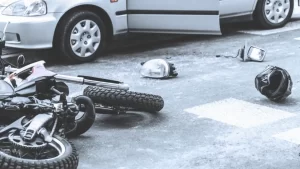
New York's Dram Shop Act provides a vital legal avenue for you to pursue compensation from another responsible party: the business that illegally sold alcohol to the intoxicated individual. This principle is a form of third-party liability in drunk driving accident.
A bar, tavern, or restaurant that provides alcohol to a person who is already visibly intoxicated can be held financially responsible for the resulting harm. This law extends to businesses throughout New York City, from upscale lounges in Manhattan's Meatpacking District to neighborhood pubs in Astoria.
The core of the law centers on the vendor's professional obligation to refuse service to patrons who present a clear danger to themselves and others.
Successfully bringing a claim requires detailed proof. You must show a causal connection between the sale of alcohol and the subsequent incident that caused your injuries. A knowledgeable attorney understands how to build this connection through careful evidence collection.
What Counts as Visible Intoxication?
Visible intoxication is a critical component of any claim under New York's Dram Shop Act. It doesn't rely on blood alcohol content (BAC) tests performed after the fact. Instead, it focuses on what the seller's employees knew or should have known based on their direct observations at the time of the sale.
This means a strong liquor liability case depends on evidence demonstrating the intoxicated person's state before they left the establishment. Witnesses might describe them slurring their speech or having difficulty walking.
While proving what a bartender saw on a busy night in a crowded East Village bar presents a significant challenge, a lawyer can help you collect needed evidence for your claim.
Who Can I Sue Under New York’s Dram Shop Act?
The law targets licensed vendors who sell alcohol. It creates accountability for businesses that profit from alcohol sales by requiring them to act responsibly.
Parties you may hold liable include:
- Bars and Taverns: This includes any establishment, from a local sports bar in the Bronx to a trendy nightclub in Williamsburg.
- Restaurants and Diners: Businesses that serve alcoholic beverages with meals share the same responsibility.
- Liquor and Convenience Stores: Off-premises retailers also fall under the statute if they sell to a visibly intoxicated person.
- Event and Stadium Vendors: Caterers and concessionaires at venues like Yankee Stadium or Madison Square Garden must also follow the law.
The law doesn’t generally apply to social hosts who serve alcohol for free at a private party. The key distinction is the commercial sale of alcohol. An experienced lawyer can identify all potential sources of recovery for your injuries.
Building a Successful Dram Shop Claim
Winning a case based on New York's Dram Shop Act requires much more than simply showing that a person was drunk. The evidence must specifically connect the establishment's actions to your injuries. An attorney accomplishes this by launching an immediate and comprehensive investigation.
Timing becomes crucial in these cases. Bartenders change shifts, patrons' memories fade, and video surveillance footage gets erased. A prompt investigation helps preserve critical evidence that can support your claim and establish the bar's negligence.
The Race To Preserve Evidence
The evidence needed to prove a bar's negligence is often temporary. Immediate action is the best way to secure it. Many businesses in high-traffic areas like Times Square or near Penn Station have video cameras, but their retention policies are short, with many recording over footage within days or weeks.
Witnesses present another challenge. Other patrons who saw the over-served individual have no obligation to come forward, and bartenders or servers may change jobs or be uncooperative.
Your attorney acts quickly by sending official preservation letters and dispatching investigators to locate and interview key witnesses before their memories fade or they become impossible to find.
Types of Evidence Used in Liquor Liability Cases
A strong case often relies on a variety of sources to paint a clear picture of the patron's intoxication level. An attorney knows where to look for this proof and how to use it effectively. A case may require multiple forms of evidence to prove that a patron showed signs of visible intoxication.
Your legal team will gather specific proof, which can include:
- Eyewitness Testimony: This includes other patrons, bartenders, servers, and bouncers who observed the person's behavior.
- Surveillance Footage: Video from inside and outside the bar can provide undeniable visual proof of staggering, slurring, or other signs of intoxication.
- Receipts and Credit Card Statements: These documents establish a timeline, showing how many drinks the person bought and when they bought them.
- Police Reports: The accident report often contains the responding officer's observations of the driver's condition at the crash scene.
This evidence helps establish a timeline, connecting the drinks served at the establishment near Central Park to the crash that happened later that night. A lawyer methodically pieces these details together. A complete investigation builds a solid foundation for your case.
What Legal Protections Do Injury Drunk Driving Victims Have?
New York's Dram Shop Act exists to protect the public. It provides a way for injured people to recover financially when a business places profits ahead of safety. These cases can help you secure the resources needed to cover medical bills, lost income, and other damages.
These laws also serve as a powerful deterrent. Holding a negligent establishment accountable encourages all vendors to train their staff properly and enforce responsible serving practices. This proactive effect makes roads and communities safer for everyone. When a bar in Park Slope knows it faces financial risk, it's more likely to refuse service to intoxicated patrons.
A claim under this act doesn’t replace a lawsuit against the drunk driver. Instead, it provides an additional path for financial recovery. You can pursue claims against both the driver and the vendor who overserved them.
How a Lawyer Helps With Your New York Dram Shop Act Claim
Pursuing a claim under New York's Dram Shop Act involves complex legal and factual challenges. An attorney handles every aspect of your case, allowing you to focus on your recovery. They work to protect your rights and fight for the outcome you need.
Here is how a New York DWI lawyer assists with your claim:
- Conducting a Swift Investigation: A lawyer can immediately send investigators to secure video footage, interview witnesses, and collect physical evidence before it disappears.
- Proving Visible Intoxication: They can hire toxicologists and other professionals to analyze evidence and provide testimony that shows the patron was visibly intoxicated when they were served.
- Identifying All Liable Parties: Your attorney analyzes the facts to determine if multiple establishments or individuals share responsibility for your injuries.
- Managing Communications: They handle all communications with insurance companies and defense attorneys, protecting you from tactics designed to weaken your claim.
Bars, restaurants, and their insurance companies will not simply accept responsibility. They employ experienced defense attorneys who use specific strategies to challenge your claim. An attorney anticipates these arguments and builds a case designed to dismantle them from the start.
Blaming the Patron
The most common defense tactic is to shift all responsibility onto the intoxicated individual. The defense may argue that the person was an adult who made the choice to drink excessively and then drive. Your attorney directly refutes this by focusing all arguments on the bar's independent legal obligations.
A lawyer reminds the court that the patron's fault doesn’t erase the vendor’s separate, legal duty under New York law to refuse service and protect the public.
Questioning Visible Intoxication
Defense lawyers will vigorously attack the core of your claim: whether the patron was visibly intoxicated. An attorney defeats this argument by presenting a wall of coordinated evidence that goes far beyond a single observation.
They may use expert testimony from a toxicologist to show how the number of drinks sold, proven through receipts, would produce clear signs of impairment. This expert analysis strengthens eyewitness accounts and provides a scientific foundation for the bartender's liability.
The Time Gap Argument
If a significant amount of time passed between the patron leaving the establishment and the accident occurring, the defense may use this to their advantage. They may suggest the person drank more alcohol after leaving their bar.
Your attorney can overcome this by meticulously reconstructing the driver's movements, using cell phone data, GPS records, and security footage from other locations to show that no other stops were made before the accident.
FAQ for New York's Dram Shop Act
What Is the Statute of Limitations for a Dram Shop Claim?
You generally have three years from the date of the injury to file a lawsuit under this statute. However, acting much sooner is essential for preserving evidence. Delaying action can make it significantly harder to prove your case.
Does the Law Apply if Someone Gets Into a Fight?
Yes, the law isn’t limited to car accidents. If a bar serves a visibly intoxicated person who then starts a fight and injures you, the establishment can be held liable for those injuries. The same principles of third-party liability apply.
Can the Family of Someone Killed by a Drunk Driver Sue a Bar?
Yes, if you’re the representative of the estate of someone who died in a drunk driving crash, you can file a wrongful death lawsuit. This claim can include an action against the establishment that over-served the driver under New York's Dram Shop Act. This action can help recover for the financial and personal losses the family suffered.
What if the Person Who Caused My Injuries Also Got Hurt?
New York law allows the intoxicated person themselves to sue the vendor if they were under the age of 21. For intoxicated adults who cause harm to others, their ability to sue the bar for their own injuries is limited. The law primarily protects innocent third-party victims.
Can Multiple Bars Be Held Responsible?
Yes, if an intoxicated person visited several bars on the same night, each establishment that served them while they were visibly intoxicated could share liability. This may happen during pub crawls in areas with a high density of bars, such as the Lower East Side.
A thorough investigation traces the person's movements to identify every potentially responsible vendor.
Take Action Today
Your recovery after a serious accident demands full attention. Let the attorneys at Hach & Rose handle the legal challenges of holding all responsible parties accountable while you focus on healing. Contact our team today through our online form to learn how we can help.