Skip to content

Over One Billion Recovered

Free Confidential Case Review, No Fees Unless We Recover For You

Call Us Today, 24/7: 212-779-0057

Hach & Rose, LLP Logo
  • The Firm
    • About Us
    • Meet Our Team
    • News
    • FAQs
    • Press Releases
  • Practice Areas
    • Personal Injury
      • Car Accidents
      • Truck Accidents
      • Motorcycle Accidents
      • New York City Premises Liability Lawyer
      • Slip and Fall Accidents
      • New York City Nursing Home Abuse Lawyer
      • Brain Injuries
      • Neck and Back Injuries
      • Scooter Accidents
      • New York City Fire and Explosion Injury Lawyer
      • FELA/Railroad Worker Injuries
      • New York City Rental Bike Accident Lawyer
      • Sexual Abuse
      • New York City Tourist Injury Lawyer
      • Work Injuries
      • Wrongful Death
      • See All Personal Injury Practice Areas
    • Mass Tort Cases
      • 9/11 Victim Compensation
      • Social Media Harm
      • Ozempic Lawsuit
      • Video Game Addiction
      • Discord Lawsuits
      • Pacemaker Recall Lawsuit
      • Talcum Powder Lawsuit
      • Baby Formula Lawsuit
      • Hotel Sex Trafficking Lawsuit
      • Asbestos
      • See All Defective Drugs & Products
    • Construction Injuries
      • Construction Accidents
      • Representation for Union Members
      • FELA / Railroad Worker Injury
      • See All Work Related Injuries
    • Employment Law
      • Employment Contract Review
      • Fair Labor Standards Act (FLSA) Lawyer
      • Severance Agreements
      • Wage Theft
      • Whistleblower Defense
      • Workplace Harassment
      • Wrongful Termination
    • Social Security Disability
    • Sexual Abuse
  • Video FAQs
  • Testimonials
  • Results
  • Blog
  • Contact Us
  • Search
Get a free consultation

How Can Nursing Homes Predict and Prevent Falls?
Home  >  Blog  >  How Can Nursing Homes Predict and Prevent Falls?

January 30, 2020 | By Hach & Rose, LLP
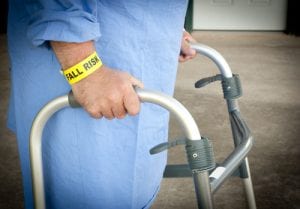
How Can Nursing Homes Predict and Prevent Falls? Elderly person using a walker in hospitalWhen we send a loved one to a nursing home, we expect that they will receive the highest quality of care and attention from their nurses and caretakers. This includes being vigilant of fall-risk residents and taking preventative measures to reduce the risk of residents falling and injuring themselves. A fall could be debilitating to an elderly resident, leaving them disabled or heavily dependent on others to perform daily tasks. According to research from the University of Montana, between 50-75% of nursing home residents fall at least once per year, and people who fall usually fall at least twice a year. The university's research shows that there are two types of risk factors when it comes to falls in nursing homes: internal and external. Internal risks refer to a resident’s existing health condition, medications they are taking, mental state, etc. External factors are more physical, such as cluttered hallways.

Internal Risk Factors

Nursing home patients are more likely to fall if they exhibit any of these conditions:
  • A history of falls, specifically if they fell in the past couple of months
  • Increased age generally equals increased risk of falling
  • The use of many different prescription drugs to treat one condition
  • Tethers (oxygen machines, IVs, catheters) that could get caught on railing, bed posts, doorknobs, etc.
  • Diminished strength due to loss of muscle mass
  • Osteoporosis (decreased bone density) that could result in serious injury after a fall

How can nursing homes prevent falls?

Nursing homes can choose from a variety of fall-risk tools to assess their residents’ likelihood of falling at some point. These tools can be helpful, especially when used in combination with an individual health assessment of each resident and a familiarity with their history of falls. The two most effective tools for identifying a resident’s fall risk are the Morse Fall Scale and the Mobility Interaction Fall Chart. The Morse Fall Scale rates a number of items such as a patient’s history of falling, use of aids like a wheelchair, mental status, and gait, then assigns that patient a risk level. The risk level determines what action the staff needs to take to prevent a fall. The Mobility Interaction Fall Chart includes a medical assessment, rating for cognition and depression, and observation of daily activities.

Contact a New York Nursing Home Attorney

If you or a loved one sustained a fall while living in a nursing home, you may be entitled to compensation. The attorneys at Hach & Rose, LLP are ready to help you navigate what can be a difficult and stressful litigation process. Call our office at (347) 318-9604 to discuss your rights today.

Schedule Your Consultation

Practice Areas

  • New York City Nursing Home Abuse Lawyer
  • New York Bedsores and Pressure Ulcers Lawyer
  • New York Nursing Home Neglect Lawyers
  • New York Nursing Home Dehydration Lawyer
  • New York Nursing Home Falls Lawyer

Hach & Rose, LLP Logo If you've been injured in an accident or on the job, the attorneys of Hach & Rose, LLP have the knowledge, skills, and experience required to hold the party responsible for your injury accountable.

Areas Served: Bronx, Brooklyn, Bushwick, Brooklyn Heights, Central Harlem, East Harlem, East Village, Financial District, Greenpoint, Forest Hills, Harlem, Howard Beach, Jackson Heights, Long Island, Lower East Side, Lower Manhattan, Manhattan, Midtown, New Jersey, Rego Park, Soho, Tribeca, Upper East Side, Upper Manhattan, Upper West Side, West Side, West Harlem

Main Office

Hach & Rose, LLP

112 Madison Ave 10th floor,
New York, NY 10016
212-779-0057

Schedule Your Free Consultation

This field is for validation purposes and should be left unchanged.
Consent agreement


  • The Firm
  • Practice Areas
  • Video FAQs
  • Testimonials
  • Results
  • Blog
  • Contact

© 2026 Hach & Rose, LLP. All Rights Reserved. Privacy Policy | Sitemap